What to Organize After a Parent Dies in Canada
After a parent dies, many families feel overwhelmed before they even know where to begin.
There are often documents to locate, banks to contact, accounts to identify, advisors to coordinate, recurring bills to track, and family members trying to understand what happens next.
When the estate involves Canada/U.S. issues, Quebec, Florida property, snowbird situations, or family members living in different countries, the process can become even more confusing.
Nola Advisory LLC provides practical, CPA-level support for families and liquidators who need help organizing the financial picture after a parent dies in Canada.
What documents should families gather first?
Families should start by gathering the will, death certificate, insurance documents, tax returns, property records, bank and investment statements, mortgage information, business records (if applicable), identification documents, and advisor contact information.
Families do not need everything immediately, but creating one organized place for documents helps reduce confusion later.
Deborah helps families create structure around estate information so conversations with lawyers, accountants, and financial institutions become easier and more productive.
What financial accounts should families identify?
Families should work to identify all bank accounts, investment accounts, pensions, RRSPs, TFSAs, credit cards, lines of credit, recurring withdrawals, utilities, insurance payments, and online financial accounts.
Many families are unsure what exists, what is still active, and what institutions need after a death. This uncertainty can delay the estate process.
- ◆Bank accounts
- ◆Investment accounts
- ◆Pensions and RRSPs
- ◆TFSAs
- ◆Credit cards and lines of credit
- ◆Recurring withdrawals and bills
- ◆Utilities and insurance
- ◆Online financial accounts
What information do lawyers and accountants usually need?
Lawyers and accountants typically need asset lists, liability lists, account information, property details, insurance information, beneficiary information, recurring obligations, tax records, and contact information for advisors.
Organized information helps reduce delays and confusion when working with professionals.
Deborah helps families prepare for conversations with lawyers, accountants, banks, and financial institutions so these professionals can work from clearer information.
See also: executor checklist after death and what does an executor do in Quebec.
What should families track during the estate process?
Families should track conversations with institutions, submitted documents, outstanding requests, account status updates, recurring bills, deadlines, questions for professionals, family decisions, and property-related issues.
Keeping a centralized estate organization system often reduces stress significantly. Many families find that having one place to track everything makes the process feel more manageable.
Why cross-border estates become more complicated
Canadian estates with U.S. family members, Florida property, snowbird situations, or beneficiaries in multiple countries often become more complicated because different jurisdictions have different requirements.
Families may need to coordinate with professionals across jurisdictions, navigate document requirements from different institutions, or understand how Canada/U.S. estate coordination works.
This is especially common in Quebec/Florida situations, where families may be managing Quebec estate help for Florida families or coordinating cross-border Canada/U.S. estate support responsibilities.
Families helping with a parent's estate from another country or supporting a Canadian estate from the U.S. face additional organizational challenges that benefit from structured support.
What Deborah does — and does not do
Deborah does not become the liquidator or executor. She does not provide legal advice.
Deborah helps families organize the financial side of the estate process. She supports the real liquidator and family members by helping structure documents, accounts, advisors, and questions.
The legal responsibilities remain with the named liquidator and the family's legal advisors.
Learn more about support for Quebec liquidators and estate organization support.
How Deborah helps families get organized
Confidential initial conversation
Discuss the estate situation, what has already been organized, and where support would help most.
Organize documents, accounts, and open questions
Help families create structure around estate information, advisors, accounts, liabilities, and next steps.
Prepare for professional coordination
Help families prepare for conversations with lawyers, accountants, banks, and financial institutions.
Frequently asked questions
What should you do first after a parent dies in Canada?
Start by gathering the will, death certificate, and estate documents. Notify banks, insurance companies, and financial institutions. Contact the lawyer named in the will if there is one. Begin organizing a list of assets, liabilities, and advisor contacts. Many families find it helpful to create one central place for all estate-related information.
What documents are usually needed after a death in Canada?
Families typically need the will, death certificate, proof of executorship or letters of verification, identification documents, property records, bank and investment statements, insurance documents, tax returns, and pension information. Different institutions may require different combinations of these documents.
How do families organize estate information?
Many families create a centralized system to track documents, accounts, advisor contacts, open questions, submitted information, and outstanding requests. This can be a binder, digital folder, or spreadsheet system. The goal is to reduce confusion and help the real liquidator and advisors work from clearer information.
What makes cross-border estates more complicated?
Cross-border estates often involve coordinating with professionals in multiple countries, navigating different document requirements, understanding tax implications across jurisdictions, and managing property or accounts in different legal systems. Family members living in different countries may also face practical challenges communicating and coordinating remotely.
Can Deborah act as the executor or liquidator?
No. Deborah does not act as the executor, liquidator, estate administrator, trustee, or lawyer. Nola Advisory LLC does not provide legal advice. Deborah's role is to help families and the real liquidator organize estate-related financial information and prepare for professional conversations.
Need help organizing a parent's estate after a death in Canada?
If your family is trying to organize estate information, accounts, documents, and financial questions after a parent dies in Canada, Deborah Voronoff can help bring structure and clarity to the process.
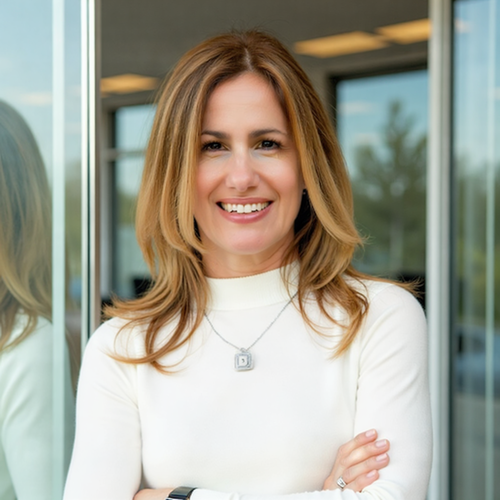
Led by Deborah Voronoff, CPA — 35+ years guiding complex financial decisions across Canada and the U.S.
Last updated: 2026